
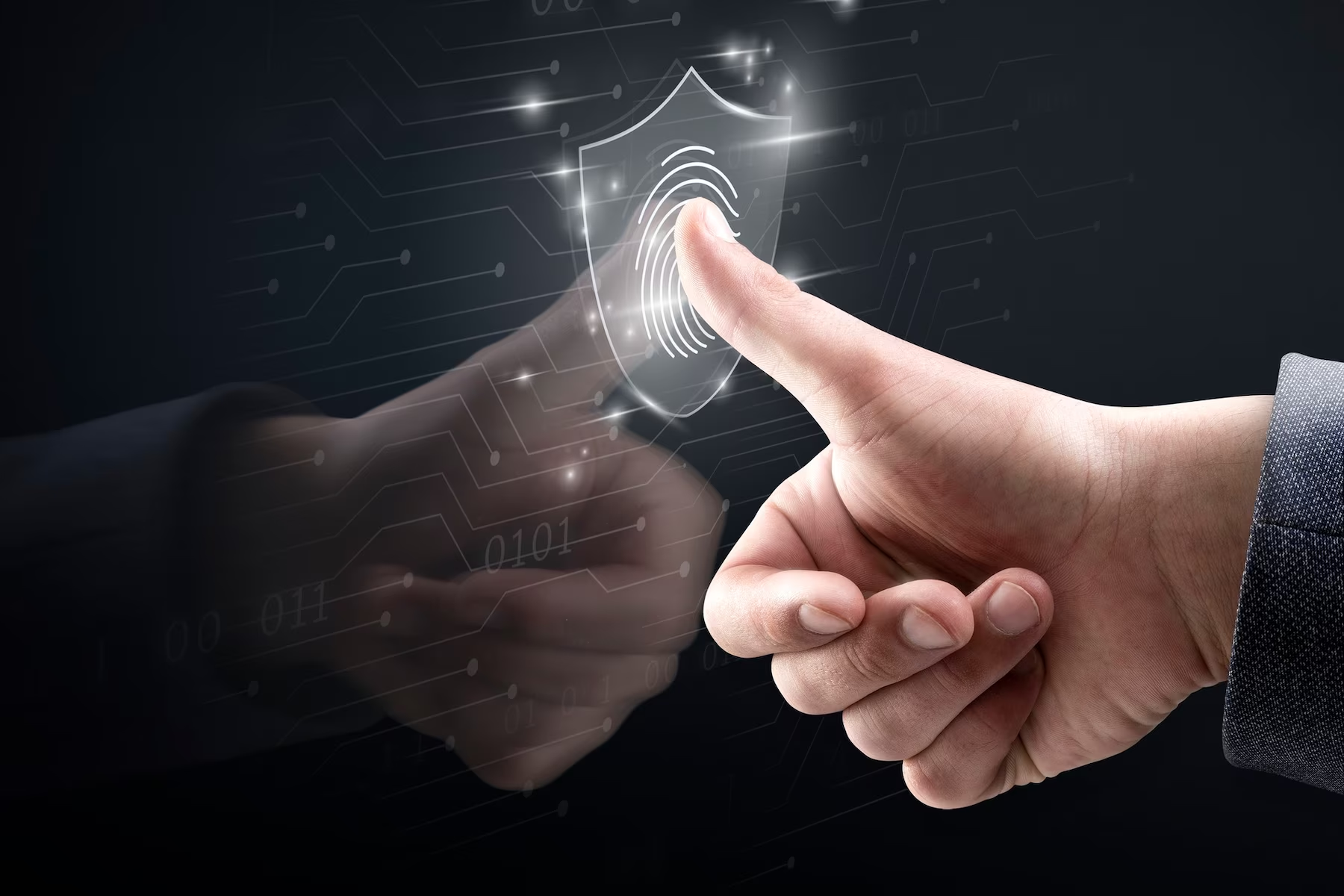
Biometric security, once confined to the realms of science fiction, has rapidly evolved into a sophisticated and integral part of modern security systems. From fingerprint recognition to facial and even behavioral analysis, biometrics are reshaping the way we protect sensitive information and secure physical spaces.
Fingerprint Recognition
Fingerprint recognition is one of the oldest and most well-known biometric methods. However, advancements in image processing and pattern recognition have made fingerprint scanning more accurate and reliable than ever before. It's widely used in smartphones and access control systems due to its convenience and low error rate.
Facial Recognition
Facial recognition has gained immense popularity in recent years, finding applications in everything from unlocking smartphones to airport security. Deep learning algorithms have enabled systems to recognize faces even in varying lighting conditions and with different facial expressions, enhancing accuracy and usability.
Iris and Retina Scanning
Iris and retina scanning involve capturing unique patterns in the iris or retina of the eye. These patterns are almost impossible to duplicate, making these methods highly secure. Although initially used in high-security environments, advancements in camera technology have brought these techniques to more accessible applications.
Voice Recognition
Voice recognition analyzes vocal characteristics such as pitch, tone, and pronunciation to identify individuals. Advances in machine learning have made voice recognition more reliable, and it's now used for tasks like unlocking devices and verifying identities over the phone.
Behavioral Biometrics
Behavioral biometrics go beyond physical attributes and analyze patterns in how individuals interact with devices. This includes typing speed, mouse movements, and touchscreen gestures. It provides continuous authentication, adapting to users' behavior and detecting anomalies that may indicate unauthorized access.
Multi-Factor Authentication (MFA)
Combining multiple biometric methods or biometrics with traditional security measures creates multi-factor authentication. MFA enhances security by requiring users to provide more than one form of identification, reducing the risk of unauthorized access even further.
Challenges and Ethical Considerations
While biometric security offers many benefits, challenges like privacy concerns, potential biases in recognition systems, and the risk of data breaches must be addressed. Proper implementation, regulation, and user consent are crucial to ensure the responsible use of biometric technologies.
Conclusion
Advancements in biometric security have brought us closer to realizing secure and seamless authentication methods. From fingerprint recognition to behavioral biometrics, these technologies are changing the way we protect our digital and physical assets. As research and development continue, we can expect even more sophisticated and secure biometric solutions in the future.
