
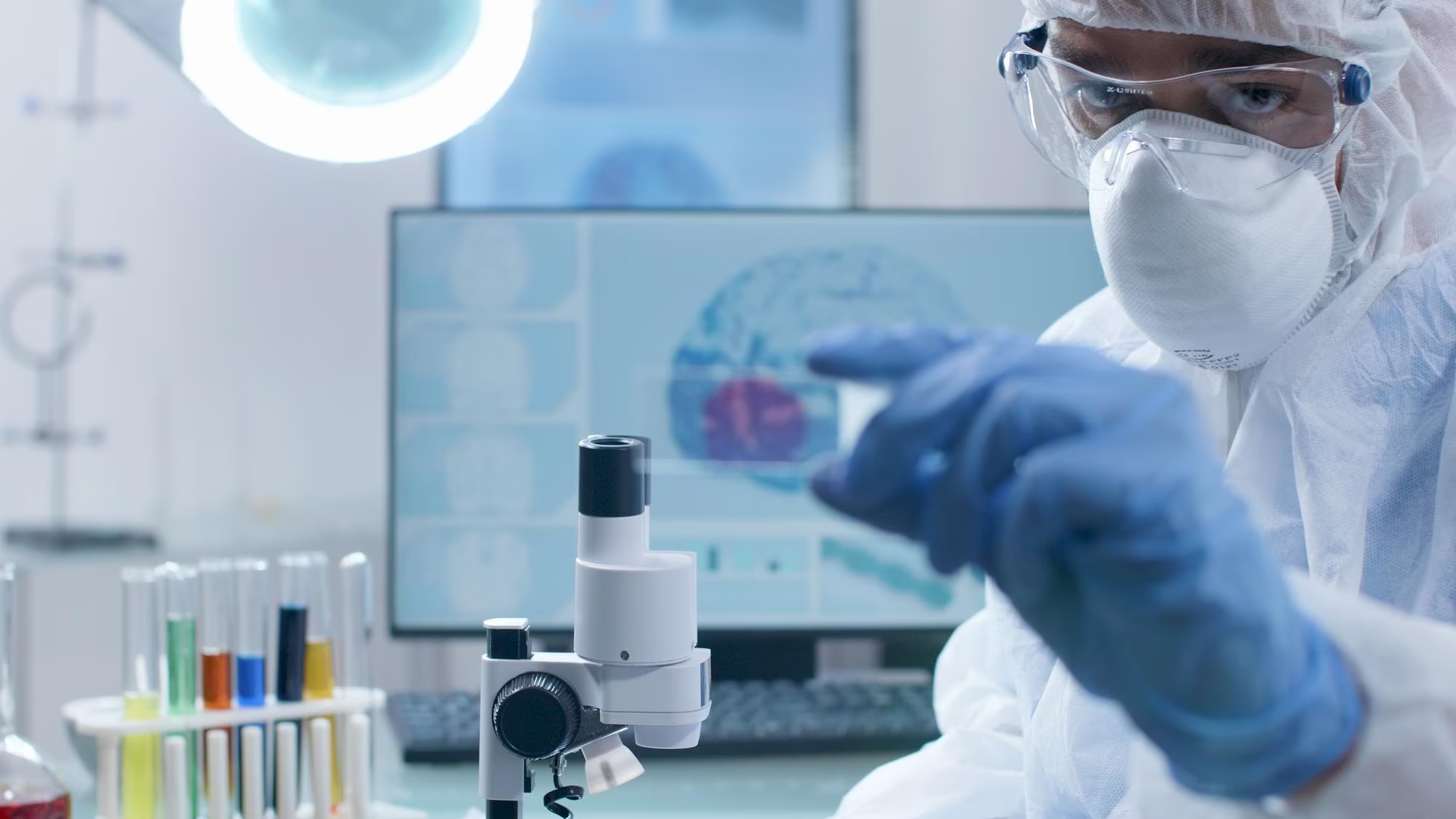
In today's digital age, the healthcare industry is harnessing the power of big data to transform patient care, research, and operational efficiency. The massive volumes of data generated by medical devices, electronic health records, and research studies are providing invaluable insights that were once unimaginable.
Personalized Medicine
Big data analytics is paving the way for personalized medicine. By analyzing vast amounts of patient data, including genetic information, medical histories, and treatment outcomes, healthcare professionals can tailor treatments to individual patients. This targeted approach improves treatment effectiveness and reduces adverse reactions.
Early Disease Detection
Big data allows for the early detection of diseases and health trends. By analyzing patterns and anomalies in patient data, medical professionals can identify potential health risks and intervene before conditions worsen. This proactive approach leads to better patient outcomes and reduces healthcare costs.
Medical Research and Drug Development
Researchers can leverage big data to accelerate medical breakthroughs. By analyzing large datasets, scientists can identify new drug candidates, understand disease mechanisms, and predict treatment responses. This speeds up drug development and brings innovative therapies to patients faster.
Operational Efficiency
Hospitals and healthcare systems are using big data to optimize operations. Data-driven insights help streamline workflows, manage resources, and enhance patient flow. Predictive analytics also enable hospitals to forecast patient admissions, improving resource allocation and reducing wait times.
Public Health Monitoring
Big data plays a crucial role in monitoring public health trends. By aggregating and analyzing data from various sources, health agencies can track the spread of diseases, detect outbreaks, and allocate resources effectively during emergencies. This real-time information is vital for public health interventions.
Challenges and Security
While big data offers immense benefits, challenges like data privacy, security breaches, and interoperability must be addressed. Ensuring the secure storage and transmission of sensitive patient information is paramount to maintain patient trust and regulatory compliance.
Conclusion
Big data is revolutionizing the healthcare industry by providing actionable insights that drive better patient outcomes, research advancements, and operational efficiencies. As technology and analytics continue to evolve, the role of big data in healthcare will only become more prominent, shaping the future of medical care in ways we've never imagined.
